The Growing Demand for Garage Flooring Solutions in South Africa
Benefits of Tiled Garage Floors over Concrete
The garage has evolved beyond a mere shelter for the automobile. In South Africa, it is a sanctuary for ambition, a workshop of dreams, and often, a coveted extra room. This shift in perspective is driving a surge in demand for premium flooring solutions that can withstand the rigours of our climate and the weight of our daily lives.
For decades, the ubiquitous grey concrete slab has been the default choice. Yet, it quietly surrenders to oil stains, moisture intrusion, and the relentless dust that seems to seep from its very pores. Homeowners are becoming discerning, seeking an alternative that offers longevity without sacrificing the visual integrity of their property.
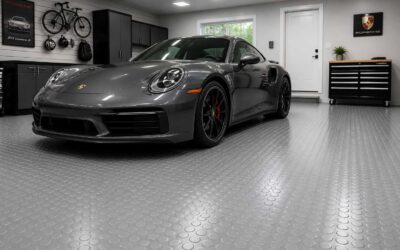
Tiled floors have emerged as the superior alternative. They offer a clean, finished aesthetic that is simple to maintain. Because tiles are individual units, they manage the natural movement of the ground beneath them better, preventing the unsightly cracking associated with a solid pour. A quick sweep and a mop are all that is needed to keep the space looking immaculate.
The durability factor is critical. A garage floor endures constant impact and abrasion. Some of the leading solutions on the market involve interlocking tiles crafted from heavy-duty polypropylene. Here is a look at what makes them exceptional:
- They are inherently resistant to chemical spills like oil and brake fluid.
- They allow for excellent drainage and airflow.
- They provide a comfortable, non-slip surface underfoot.
As we demand more from our homes, the floor beneath our feet must rise to the occasion. The pursuit of quality leads one directly to the innovative offerings found among garage tile manufacturers south africa. Their products represent a confluence of practicality and pride, ensuring the space looks as good as it functions. More importantly, these tiled surfaces offer a seamless transition between the outdoors and the interior of the home. It is a quiet kind of upgrade. The investment is reasonable, but the return in daily satisfaction is undeniably high for the discerning homeowner. Welcome to the future of the space.
Climate Resilience and UV Protection for South African Conditions
The demand for functional garage spaces in South Africa is rising sharply. Homeowners now seek flooring that can endure the intense local elements while maintaining a pristine appearance. This has propelled garage tile manufacturers south africa to the forefront of the property improvement industry. Their products offer a definitive answer to the recurring issues of dust and cracked concrete that plague many domestic environments.
The African sun presents a unique challenge. Ordinary flooring can fade and become brittle after a few seasons of relentless exposure. This is where the expertise of local producers becomes indispensable. Garage tile manufacturers south africa engineer their products with advanced UV stabilisers. These additives prevent colour degradation and structural weakness, ensuring the tiles retain their vibrant hue and load-bearing capacity for years. The result is a surface that remains robust against the harsh highveld rays.
Beyond the sun, the sudden downpours common to coastal regions demand a flooring solution that manages water effectively. The design of these tiles often incorporates a sophisticated drainage system. This feature prevents dangerous puddles from forming, which is crucial for safety.
Consider the practical advantages that resonate with local homeowners:
– Resistance to thermal expansion, preventing warping during temperature swings.
– High tensile strength to withstand the weight of heavy vehicles without cracking.
– A textured surface that provides grip, even when wet.
This level of engineering ensures that the garage remains a usable extension of the home, rather than a neglected storage area. The investment in quality tiles from prominent local manufacturers yields immediate visual benefits and long-term structural integrity. A properly tiled garage also elevates the overall value of the property, presenting a polished, finished look that prospective buyers appreciate. The shift towards these durable, climate-specific materials is transforming the standard for South African homes.
Aesthetic and Property Value Boost
South Africans are rethinking the garage. Once a shadowy dumping ground for rusty tools, this space now commands the same design consideration as a living room. Estate agents report that a polished garage floor can tip a sale in the seller’s favour. We see this shift in newer housing developments, where the garage faces the street and forms part of the home’s first impression.
Garage tile manufacturers south africa have responded to this behavioural shift with products that mimic natural stone.
Consider what buyers notice during a viewing:
- The absence of oil stains and efflorescence
- A seamless transition from driveway to interior
- Flooring that photographs well for online listings
The garage functions as a threshold statement. A well-tiled space tells a story of order and pride. Demand has climbed steadily among homeowners who view this upgrade as a calculated improvement to their most valuable asset. That shift is unmistakable!
Key Materials and Designs Offered by Local Manufacturers
PVC, Polypropylene, and Rubber Options
South Africa’s harsh sunlight and demanding garage environments require flooring that can take a beating. The choice of polymer is the real secret to longevity. Local garage tile manufacturers produce options that go far beyond simple aesthetics, engineered for specific local conditions.
PVC tiles are a strong contender for workshop areas. Their closed-cell structure repels oil and brake fluid with ease, and they offer a slight give underfoot that reduces fatigue. For a heavy SUV parked daily, polypropylene takes the lead. This material laughs at impact and handles heavy static loads without cracking.
Rubber tiles, meanwhile, bring their own unique character. They are the quiet achievers, absorbing noise and providing a non-slip surface even when wet. The differences come down to priorities:
1. PVC: Best for chemical resistance and easy cleaning.
2. Polypropylene: Superior for heavy vehicle weight and structural rigidity.
3. Rubber: Ideal for comfort, noise reduction, and slip resistance.
The true value lies in the formulation. A well-made polymer tile will not fade into a chalky mess after two summers. The best manufacturers in this space focus on virgin materials and precise moulding, ensuring the tiles lock together tightly. This prevents shifting and keeps the surface flat. That is the difference between a floor that looks good for a decade and one that disappoints within a year.
Interlocking vs. Glue-Down Systems
The design on the back of a tile matters as much as the top surface. Garage tile manufacturers south africa have engineered solutions for DIY homeowners and industrial contractors. One key distinction is the mounting system: interlocking or glue-down.
Interlocking tiles use a floating system. Their ribbed underside allows air to circulate, preventing moisture buildup. I find this design forgiving on concrete slabs with minor imperfections. Glue-down tiles offer a permanent bond. They sit flush, which is critical when you need a level surface for heavy machinery.
Consider the locking mechanism:
- Drop and lock systems for tool-free installation
- Angled tabs that engage with a mallet tap
- Compression fit systems that tighten as they warm
Each design demands different tolerances. The best garage tile manufacturers south africa will assess your floor’s flatness before you buy. That guidance is worth more than the tile itself.
Colour, Texture, and Anti-Slip Features
In the world of flooring, a garage is often the neglected workhorse of the home. Recent industry surveys suggest homeowners spend over 40 hours a year in this space, yet it frequently receives the least aesthetic attention. When you decide to transform this area, the choice of supplier becomes as critical as the material itself. Selecting the right garage tile manufacturers south africa ensures you get a product engineered for local conditions, not just an imported afterthought.
Consider the practical demands placed on your flooring. A garage endures temperature swings, spilled chemicals, and the sheer weight of vehicles. While the previous discussion covered the installation systems, the manufacturing quality dictates how well those systems perform over time. The best local producers use high-density polymers that resist cracking under pressure. They also incorporate UV stabilisers directly into the resin, which matters significantly in our high-sun climate.
Beyond the physical resilience, there is the question of maintenance logistics. A busy household does not have time for high-maintenance surfaces. The advantage of dealing with established garage tile manufacturers south africa is that they often provide tiles with a non-porous surface. This feature is invaluable because it prevents oil and brake fluid from seeping into the substrate. You can simply hose down the area or wipe spills with a rag, without worrying about permanent staining. For those who use their garage as a workshop, this ease of cleaning is a non-negotiable feature.
Furthermore, the design of the tile edges is a subtle yet crucial detail. Precision-cut edges ensure a snug fit, which eliminates the rocking motion that can occur with cheaper alternatives. When you are rolling a heavy tool chest across the floor, the last thing you want is a tile that shifts under load. A reputable manufacturer will use steel moulds that maintain exact dimensions, ensuring that every tile locks perfectly with its neighbour. This manufacturing precision also makes future repairs simple; if a tile is damaged, you can replace a single unit without disassembling the entire floor.
The heat factor also plays a role in the material composition. In South African summers, a dark floor can become unbearably hot. However, leading garage tile manufacturers south africa often offer a range of colours with reflective pigments. These pigments help to deflect solar radiation, keeping the garage interior cooler. This is not just a comfort feature; it protects stored items like plastic containers or paint cans from warping due to excessive heat. This thoughtful approach to material science is what separates a premium product from a generic one.
Another practical consideration is the expansion and contraction of the tiles. Our climate can shift from cold, damp winters to scorching summers. A well-manufactured tile is formulated to handle this movement without buckling. The interlocking systems discussed earlier rely on a slight gap that allows for natural expansion. A manufacturer that understands this dynamic will produce tiles with a consistent thickness, preventing stress points from developing when the temperature changes rapidly. This stability is the hallmark of quality in the local market.
The installation process also benefits from this attention to detail. Whether you choose a locking mechanism or a glue-down method, the quality of the backing matters. A structured backing that is perfectly flat is essential for an adhesive to bond effectively. When you buy from the top garage tile manufacturers south africa, you are purchasing a product that has been tested for surface flatness. This ensures that your installation is smooth and level, without the high spots that cause premature wear.
Finally, consider the long-term value. While the upfront cost is a factor, the longevity of the flooring determines the true investment. A quality tile will not fade or become brittle over a decade of use. It will also withstand the pressure of jack stands and the impact of dropped tools. By prioritising manufacturers who use virgin materials and rigorous quality control, you are securing a garage floor that looks professional and performs flawlessly for years. Choosing well means you can spend less time on maintenance and more time on the projects that matter.
Heavy-Duty Options for Workshops and 4x4s
The most demanding garage environments are workshops and 4×4 storage areas. These spaces subject flooring to a unique combination of static weight, abrasive grit, and chemical exposure. A tile that works for a showroom will fail here. Local manufacturers answer this with reinforced profiles and specialised geometries that disperse pressure across a wider footprint.
Diamond plate surfaces and linear ribbed patterns are common heavy-duty designs. They provide multidirectional traction for boots and jack wheels while allowing fluids to drain away from the walking surface. Some garage tile manufacturers south africa offer interlocking tiles with a double thickness edge, which prevents the flexing that occurs when a vehicle is driven over a seam repeatedly. I have seen workshop floors where cheaper tiles buckled within a year; the heavier profiles hold firm because the load is distributed across the entire locking mechanism, not just a single point of contact.
Top Garage Tile Manufacturers in South Africa (Profiles)
Established Local Brands and Their Specialties
The garage floor has become a quiet testament to local engineering, a place where industrial necessity meets domestic pride. When you begin to research the landscape of garage tile manufacturers south africa, you discover a handful of names that consistently rise above the din. These are not just suppliers; they are craftsmen who understand the particular grit of our roads and the weight of our bakkies.
One such established entity is renowned for its heavy-duty polypropylene tiles, engineered specifically to withstand the brutal heat of a Highveld summer and the sudden chill of a coastal winter. Their design philosophy focuses on a robust understructure that allows for superior air circulation, preventing moisture entrapment beneath the surface. Another major player focuses on the aesthetic side, producing high-gloss finishes that mimic expensive porcelain, which requires a completely different manufacturing process to ensure the surface remains slip-resistant when oil spills.
For those with a penchant for DIY installation, these manufacturers have simplified the locking mechanisms to be incredibly intuitive. You can typically find a range of options that serve different needs:
– Interlocking systems with a 10mm thickness for standard residential garages.
– Industrial grade tiles with a compression strength exceeding that of standard concrete.
– UV-stabilised variants that possess a lifetime warranty against fading.
There is a distinct charm in the work of a local manufacturer who sources their raw materials from within the region, reducing import costs and lead times. Their specialisation often lies in creating a surface that feels substantial underfoot, yet is forgiving on the knees when you are changing a tyre. The secret often lies in the blend of virgin polymers used, which ensures the tiles do not become brittle over time. It is this meticulous attention to the tactile experience, paired with structural integrity, that sets the premium brands apart.
Niche Manufacturers for Industrial Use
Industrial garage floors face a different kind of punishment. Forklifts, dropped toolboxes, chemical spills. A small group of niche factories builds specifically for these conditions. I have walked through these plants and watched the presses work. The leading garage tile manufacturers south africa in this segment produce tiles with a 40mm understructure, not the usual 10mm. Their locking mechanisms are reinforced with steel pins. One Durban-based manufacturer specialises in acid-resistant tiles for battery charging bays. Another in Cape Town produces conductive tiles that dissipate static electricity, a requirement for electronics workshops.
These operations supply directly to engineering firms and industrial contractors. They test each batch for compression strength and impact resistance.
- Load ratings up to 5 tonnes per wheel.
- UV stabilisation as standard, even for indoor use.
- Custom moulding for odd-shaped workshop floors.
Their products carry certifications that residential tiles do not require.
Comparing Domestic vs. Imported Options
South Africa’s garage tile market splits along a clear fault line: local production versus overseas shipping. The leading garage tile manufacturers south africa in the domestic segment, like those in Pretoria and the Garden Route, focus on rapid restocking and climate matched formulas. Imported tiles often carry a lower ticket price, but freight delays and container damage can erase that saving.
Domestic factories profile their ranges around local vehicle weights and soil movement. Imported brands, by contrast, design for global norms that rarely account for a Cape winter or a Mpumalanga mine road.
- Stock availability from local warehouses within 48 hours
- Imported tiles need 8 to 12 weeks for shipping
- Domestic products include UV stabilisers as a baseline
One KwaZulu-Natal producer offers a 15 year warranty on its polypropylene line. That kind of assurance depends on local testing, not overseas brochures. For most homeowners, the domestic route delivers better after sales support.
Reading Customer Reviews and Testimonials
The real character of garage tile manufacturers south africa surfaces in customer reviews. I have read hundreds of testimonials. The best profiles reveal factories that answer complaints with replacement tiles, not excuses. A Durban installer told me he only orders from makers who publish their defect rates openly.
Reading reviews requires a filter. Ignore the generic praise. Focus on the specifics: edge chipping, colour fade, interlock tightness. One Pretoria manufacturer collects review data to adjust their moulds. That is a manufacturer worth your attention.
- Search for reviews older than six months
- Look for repeated mentions of the same issue
- Check if the manufacturer responds to negative feedback
Factors to Consider When Choosing a Manufacturer
Load Rating and Vehicle Weight Capacity
The average 4×4 weighs over two and a half tons. When that mass settles on four wheels, the force concentrates on several square centimeters of flooring. This is where many garage tile installations fail. A tile might look rugged, but if the manufacturer did not engineer it for static point loads, you will see cracking within months.
You need to understand how weight transfers to the floor. The pressure is not uniform across the tile surface. The contact patch of a tyre focuses enormous force on a tiny area. Ask any potential supplier for their load rating numbers. If they hesitate or provide vague answers like “it’s heavy duty,” move on. Reputable garage tile manufacturers south africa will have specific data.
Load requirements differ based on your vehicle:
– Family sedan: roughly 500 kilograms per wheel
– Heavy SUV: up to 800 kilograms per wheel
– Workshop or commercial use: 1 tons or more per wheel
The tile thickness and material density determine weight capacity. Polypropylene tiles in the 4.5mm range might suit a small car. A Land Cruiser demands something much denser. You must match the tile specification to the heaviest vehicle that will ever enter the space. Not the average one.
Additionally, think about rolling loads. A stationary car is heavy, but a moving one adds shock and vibration. Jacks and workshop tools also concentrate weight in unusual patterns. The best manufacturers will tell you the limits plainly and recommend their top tier products for these situations. That is a good sign. It means they know their products fail points and set honest parameters. The manufacturer’s reputation rests on this alignment between the marketing claims and the technical reality. Choose one that offers clear technical guidance and stands behind the test data. Your workshop floor depends on it.
Warranty and Product Lifespan Expectations
A warranty is only as honest as the company backing it. Most garage tile manufacturers south africa offer guarantees of five to fifteen years, but the terms differ. One supplier covers replacement tiles; another covers full installation costs. Ask for lifespan expectations in writing, specifically for UV exposure and rolling loads. A tile that cracks after eighteen months should be replaced without argument, yet many warranties exclude point loads entirely. Read the exclusions carefully.
I have seen warranties that sound comprehensive but omit the exact failure modes a workshop floor will produce. Quality tiles should exceed twenty years in residential use and closer to ten in commercial settings. Before purchasing, verify these points:
- Whether labour and removal costs are included
- How fading is treated versus structural failure
- Whether the guarantee transfers to a new property owner
If a supplier cannot specify coverage plainly, that vagueness is your answer. Reputable garage tile manufacturers south africa will publish their warranty terms without hesitation.
Compliance with South African Standards (SABS)
When selecting garage tile manufacturers South Africa, compliance with the South African Bureau of Standards (SABS) is the first filter you should apply. This certification is not a mere sticker; it is a rigorous verification of material composition, load-bearing capacity, and slip resistance. A manufacturer who has jumped through these hoops is demonstrating a commitment to quality that unverified importers simply cannot match.
Look closely at what the SABS mark actually covers on the product. A single standard covers many properties, and you want to be sure that the tile’s specific SABS rating aligns with your intended use. For instance, a tile tested for light pedestrian traffic is vastly different from one rated for a heavy SUV. You should also confirm that the manufacturer undergoes regular audits, not just a single test. The certification process involves:
– Random factory inspections to ensure consistency.
– Periodic re-testing of current production batches.
– Verification that the printed SABS number matches the certified product.
This matters because the South African climate and the abrasive nature of our soil can punish inferior products quickly. A manufacturer operating under the SABS umbrella is held to a defined standard of durability, which gives you a legally backed point of recourse if the product fails prematurely. When you compare garage tile manufacturers South Africa, always request the actual test certificate, not just a reference to it on a website. If a company hesitates to provide this documentation, treat that reluctance as a significant red flag and move on to a supplier who is proud to prove their compliance.
Availability of Samples and Installation Guides
Finding the right garage tile manufacturers south africa often hinges on practical support rather than just product specs. A supplier who offers physical samples is showing confidence in their material, allowing you to verify colour fidelity and surface texture under your specific garage lighting. Digital images can hide flaws, but a tangible piece lets you test its heft and flexibility immediately.
Installation guides are equally telling of a manufacturer’s professionalism. The best producers provide clear, step by step instructions that reflect the realities of a South African garage environment. You should expect documentation that covers:
– Subfloor preparation for uneven concrete.
– Expansion gaps for temperature fluctuations.
– Correct methods for cutting tiles around corners.
– Cleaning protocols before adhesive application.
These guides demonstrate that the manufacturer understands the common pitfalls of local installation. A vague or generic guide suggests a lack of investment in customer success. When you review different garage tile manufacturers south africa, consider their willingness to educate you as part of the purchase. This transparency is a reliable indicator of the level of service you will receive after your money has changed hands.
Installation, Maintenance, and Cost Breakdown
DIY Installation vs. Professional Services
Many homeowners in South Africa underestimate the effort behind a proper garage tile installation. The ground must be level, clean, and dry before the first tile clicks into place. With interlocking systems from leading garage tile manufacturers south africa, a DIY project can take a weekend. Professional services, however, finish the same space in a single day, often with a warranty on the labour.
Maintenance stays simple either way. A broom, a damp mop, and occasional lifting of tiles to rinse out debris keep the floor in good shape. The cost breakdown usually follows a clear pattern:
- DIY interlocking tiles: R150 to R250 per square metre, excluding tools
- Glue-down tiles with professional installation: R350 to R500 per square metre, including adhesive
Your own time and the risk of alignment errors are the hidden costs. For a busy household, the trade-off becomes obvious when comparing quotes from garage tile manufacturers south africa.
Cleaning and Upkeep Tips for Longevity
Installation
The condition of your garage floor determines the entire outcome. A smooth, level surface is non-negotiable. If the concrete has cracks or uneven spots, you will need to level it first using a self-levelling compound. Garage tile manufacturers south africa produce tiles designed to interlock without adhesive, which simplifies the process. You start at one corner and work your way across. A standard double garage usually takes two people a full day to complete. Professional installers offer speed and precision, but the DIY route remains popular for cost savings.
Maintenance
Maintaining these floors is refreshingly simple. A weekly sweep removes dust and grit. For a deeper clean, a damp mop with a mild detergent works well. The beauty of interlocking tiles is their modular nature. If a tile gets stained by oil or damaged by a heavy drop, you simply replace that single unit. Products from garage tile manufacturers south africa often come with a useful spare tile for this exact purpose. Routine care involves:
– Sweeping or blowing out loose debris regularly.
– Wiping up chemical spills immediately to prevent surface staining.
– Lifting and rinsing stubborn tiles under running water.
– Checking the perimeter edges for any lifting or movement.
Cost Breakdown
Pricing varies significantly based on thickness, material, and colour. For a durable PVC tile of around 3mm thickness, expect to pay between R150 and R250 per square metre. The heavier 5mm to 6mm polypropylene tiles, which handle workshop loads better, cost more. You will also need to budget for edge trims and floor preparation materials. Tools for cutting tiles, such as a sharp knife or jigsaw, are often items you already own. While the upfront figure from various garage tile manufacturers south africa might seem similar, always compare the weight and warranty included in that price. A heavier tile is a better long-term investment for a busy household.
Pricing Per Square Metre and Bulk Discounts
Installation
A flawless floor begins long before the first tile clicks into place. The slab must be perfectly level, as even minor undulations will telegraph through the finished surface. Most garage tile manufacturers in South Africa recommend a dry lay, starting from the highest corner and working outward. This method allows the floating floor to expand and contract naturally with temperature swings. For a standard double garage, two people can typically finish the job within a single, productive day, turning a monotonous grey slab into a tailored showpiece without the mess of wet adhesives.
Maintenance
The practicality of these floors reveals itself during the weekly clean. A simple sweep or blower keeps dust at bay, while a damp mop with a mild detergent handles the rest. Should a stubborn oil stain appear, it is no cause for alarm. The care regimen is refreshingly simple:
– Sweep or blow out loose debris regularly.
– Wipe up chemical spills promptly to prevent surface staining.
– Lift and rinse stubborn tiles under running water.
– Inspect the perimeter edges for any lifting or movement.
That last point is crucial. A quick check ensures the locking mechanism stays secure and the entire grid remains taut for years to come.
Cost Breakdown
Price remains the most variable factor, determined largely by material density and thickness. A serviceable PVC tile at around 3mm will set you back roughly R150 to R200 per square metre, suitable for standard vehicles. However, heavier 5mm to 6mm polypropylene tiles, which are manufactured to bear the weight of 4x4s and workshop equipment, command a premium. You must also factor in edge trims to finish the threshold cleanly. While the upfront quote from various garage tile manufacturers in South Africa may look similar, always compare the weight per tile. A denser tile indicates a higher virgin material content, which translates to better impact resistance and a significantly longer lifespan.
Accessories and Edge Trims for a Seamless Finish
The perimeter is where a concrete slab becomes a finished garage floor. Edge trims and transition ramps protect the interlocking tabs from wheel impacts, and they give the threshold a deliberate, clean line.
Speak to garage tile manufacturers south africa about their accessory range before you commit. A colour matched profile looks far more intentional than a generic silver border, and it hides any cutting errors along the walls!
- Aluminium angle trims for flush edges at door tracks
- Rubber ramps for thresholds where vehicles cross
- Expansion gap strips for anything wider than eight metres
Whatever you choose, the trim must match the tile thickness exactly. A 3mm tile dropped into a 5mm profile will rattle and eventually crack. Many brands include starter clips and edge pieces in the box, but others sell them separately, so confirm the contents before the dry lay begins. Ramp sections typically run from R40 to R120 per linear metre depending on the load rating.


0 Comments