Why Homeowners in Pretoria Are Choosing Interlocking Garage Tiles
Enhanced Aesthetic Appeal for Modern Homes
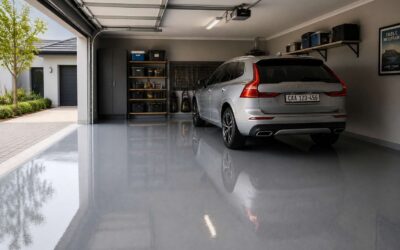
In Pretoria’s evolving suburbs, the garage floor is no longer a simple slab of concrete. Homeowners are choosing interlocking garage tiles pretoria for their immediate, orderly beauty. The visual weight of a tiled floor changes the entire atmosphere of the space.
The appeal lies in the precise, geometric grid. Each tile locks into place with a satisfying certainty, creating a uniform plane that feels robust and refined. That clarity extends the architectural language of the interior outward. It is a seamless transition, not an abrupt end.
- Subtle textures add depth without shouting.
- Darker tones hide tyre marks while offering a sleek showroom feel.
- Interlocking patterns permit custom borders.
When you step onto the interlocking garage tiles pretoria, the difference is immediate. I have felt it myself. The garage becomes a room, not an afterthought. That is why Pretoria homeowners are making the switch!
Superior Durability Against Heavy Vehicle Loads
The average bakkie in Pretoria exerts more downward force per square centimetre than most people realise. Over time, that pressure finds weak points in plain concrete. Interlocking garage tiles pretoria distribute that load across the entire surface, because each tile transfers weight to its neighbours.
The result is a floor that copes with repeated traffic without cracking, spalling, or developing ruts. The interlocking mechanism is the key. It creates a continuous structural mat rather than individual floating squares. Consider what these tiles resist:
- Static loads from jacked-up vehicles
- Repeated turning of heavy tyres
- Impact from dropped tools or trolley jacks
The polymer composition also absorbs vibration, which protects the subfloor underneath. In Pretoria’s climate, this matters. Heat and dust accelerate concrete fatigue, but the tiles remain stable. I have seen workshop floors in Centurion that survived years of abuse with interlocking garage tiles pretoria intact. That is engineered durability.
Quick and Clean Installation Without Concrete Work
Saturday morning, and your garage is already usable by lunchtime. That is the reality of interlocking garage tiles pretoria. No mixing, no screeding, no waiting days for concrete to cure. The tiles click together over your existing floor. One person can lay a typical double garage in a few hours. No special tools, no dust sheets, no mess lingering into the week!
The clean installation matters in Pretoria’s highveld climate, where dust storms and summer thunderstorms make prolonged disruption worse. I have watched homeowners lay an entire garage floor in an afternoon. You sweep the surface, lay the tiles, and lock them in place. No demolition, no rubble removal, no contractors tramping through your home.
Consider what this saves you:
- Time spent on a weekend project
- Money spent on hire equipment
- Patience spent dealing with dust and debris
The disruption vanishes. The floor is ready for vehicles the same day. Homeowners choose interlocking garage tiles pretoria for that immediacy.
Versatile Design Options for Every Garage Style
Few rooms in a home remain as unexamined as the garage, yet it can occupy a third of the property’s footprint. Homeowners across Pretoria are choosing interlocking garage tiles pretoria because the floor finally reflects how they actually live. Grey concrete only holds vehicles. A designed surface holds intention.
The range of options runs beyond plain squares:
– Herringbone layouts that elongate a narrow bay
– Slate finishes that mimic natural stone without the maintenance
– Diamond treads for grip in wet Highveld thunderstorms
– Two tone borders that frame the vehicle bay
Each choice alters how light moves across the space. Darker patterns hide scuff marks. Lighter shades reflect heat. The psychology is straightforward; when a space looks deliberate, people treat it with deliberation.
Popular Materials and Tile Styles Available in Pretoria
Polypropylene Tiles: The All-Round Performer
Polypropylene tiles keep things simple. They shrug off oil, petrol, and brake fluid without swelling or staining. The material stays flexible in Pretoria’s heat, so edges won’t curl or crack. You can sweep them clean or rinse with a garden hose. No wax, no sealing, no special treatments.
Surface textures matter more than most people expect. Common styles include:
– Smooth finishes for easy sweeping
– Diamond patterns for shoe grip
– Pebble textures that hide dust and dirt
Colours go beyond basic grey. Stock options include black, graphite, and sandy tones. Some suppliers carry two-tone tiles that mimic classic checkerboard layouts.
All of these use the same interlocking garage tiles pretoria system. This lets you blend textures in one floor, pairing a smooth pad under the workbench with a ribbed section where the car sits.
PVC and Vinyl Options for Budget-Friendly Upgrades
PVC tiles offer a lighter alternative for homeowners who want the interlocking garage tiles pretoria system without the heavier price tag. These tiles absorb less heat than darker materials, so they stay cooler under direct sunlight. Vinyl variants resist moisture well, which suits Pretoria’s dry winters and sudden summer thunderstorms.
Budget conscious buyers often choose PVC for decorative projects rather than daily vehicle parking. The material suits workshop corners, storage areas, or home gyms. Some suppliers stock wood grain finishes and slate textures that imitate natural stone.
- Interlocking edges use the same universal connectors as premium tiles
- Replacement tiles cost less than polypropylene equivalents
- Surface cleaning requires only warm water and mild soap
Local hardware stores across Pretoria stock these PVC interlocking garage tiles pretoria in 30cm and 50cm formats. The thinner profile sits lower on the concrete slab, which reduces the need for ramp adjustments at door thresholds.
Flexible Tiles That Handle Temperature Extremes
Pretoria’s climate is a test of patience for any floor. The Highveld sun bakes concrete in January, then frost creeps in during July nights. Flexible tiles made from advanced compounds absorb these shifts without cracking. They move with the slab, not against it.
I have watched polypropylene tiles ripple slightly during a thunderstorm’s sudden temperature drop, then settle back flat by morning. The secret lies in the interlocking garage tiles pretoria system’s tolerance for thermal movement. Unlike rigid coatings that fracture, these tiles breathe. Here is what to look for when comparing flexible options!
- A Shore D hardness rating that permits slight give under heel pressure
- UV stabilizers that prevent brittleness after years of Highveld sun
- Interlocking tabs that allow lateral expansion across a 50cm grid
The result is a floor that shrugs off Pretoria’s extremes, from scorching afternoons to icy dawns. For anyone weighing interlocking garage tiles pretoria, this flexibility matters as much as load capacity.
Surface Patterns: Coin, Diamond, and Pebble Textures
There is a quiet authority in a well-worn garage floor. In Pretoria, where dust settles in fine layers and thunderstorms leave their mark, the surface pattern matters more than most realise. Coin texture provides a studded grip that catches heel and tyre alike. Diamond patterns scatter light at odd angles, which hides scuffs and smudges. Pebble texture, my preferred choice, resembles river stones and masks the grime that accumulates near tool benches.
Consider how these textures pair with the interlocking garage tiles pretoria systems available here:
- Coin: industrial, forgiving, simple to sweep
- Diamond: bold, sharply defined, resists oil seepage
- Pebble: organic, subdued, comfortable for barefoot moments
Each pattern changes how the floor handles water, dust, and the weight of a closed garage.
Colour Choices and Custom Layouts for Local Trends
Pretoria’s garage floors mirror the city’s dual character of suburban calm and industrial grit. The material choice here often hinges on practical use rather than appearance alone. High density polyethylene tiles handle the afternoon heat without softening, and rubber composites provide a quieter surface underfoot. These interlocking garage tiles pretoria products are available in stock colours that reflect the Highveld palette.
Custom layouts have gained traction among local homeowners. A charcoal border with a lighter interior creates a visual frame for the vehicle. Other configurations use alternating matte and polished tiles to define a workshop section. The trend favours functionality within a clean geometric order.
- Slate grey with white line marking
- Terracotta accents near the workbench
- Full herringbone for a traditional feel
Step-by-Step Guide to Installing Interlocking Garage Tiles
Preparing Your Garage Floor: Cleaning and Levelling
The success of your interlocking garage tiles Pretoria relies almost entirely on what happens before the first tile clicks into place. A flawed substrate is a silent saboteur, and it will eventually betray the flawless surface you envision. Most homeowners skip the gritty work, but this is where the true transformation begins. Preparation is the unsung hero of this entire process, and overlooking it is a grave error.
Start by clearing the space completely, then attack the concrete with a stiff broom and a degreaser. Oil stains and tyre marks are the usual culprits, and they will compromise the adhesive bond if left unchecked. For stubborn patches, a pressure washer works wonders, but allow the slab to dry thoroughly for at least 24 hours. Any lingering moisture becomes a hidden trap that undermines stability.
Next, assess the level of the floor. Small cracks can be filled with a quality repair mortar, while larger depressions require a self-levelling compound. Pour it, spread it, and let it find its own calm. The patience you invest here pays dividends in the evenness of your final layout.
1. Remove all existing debris and dust with a vacuum.
2. Apply a concrete patch to any visible cracks or holes.
3. Use a straightedge to check for high spots and grind them down.
4. Prime the entire surface to ensure maximum tile adhesion.
Once the floor is clean, dry, and perfectly level, you have created a fortress-like foundation. Your interlocking garage tiles Pretoria will now lock together with a satisfying precision, delivering a robust surface that remains flat and true for years to come. The physical toll of this prep work might be tedious, but it is the quiet, definitive difference between a temporary fix and a permanent solution.
Laying the Tiles: Alignment and Edge Clipping
With the substrate ready, installing interlocking garage tiles Pretoria becomes a satisfying sequence of clicks. Start in the corner furthest from the garage door and work outward in a straight line. Tap each tile with a rubber mallet until the connection seats fully.
Alignment demands constant attention. A few millimetres of drift at the starting wall becomes a visible gap at the opposite end. Use a string line to verify rows stay true, and check the directional arrows on the underside of each tile.
- Work in small sections.
- Keep a mallet and knife within reach.
- Leave a 5 mm expansion gap at the walls.
Edge clipping requires careful measurement. Walls are rarely square, so cut tiles to fit the perimeter. Score the surface with a sharp knife, then snap cleanly. For curved obstacles, heat the tile to soften it, then trim with snips. The result looks intentional, not improvised!
Finishing Touches: Trimming, Edging, and Transition Strips
The final cuts reveal the true skill involved. Trimming interlocking garage tiles Pretoria demands patience, because the visible seams between floor and wall carry the eye. A utility knife and straightedge produce clean edges. For doorways, transition strips bridge the height difference between the garage slab and the internal flooring. They prevent tripping and absorb the slight movement inherent in floating floors.
Edge profiles matter more than most homeowners assume. A mismatched threshold undermines the entire installation, no matter how precise the central pattern appears. This phase asks for careful measurement and honest assessment of every corner.
Then decide on the strips:
- Aluminium profiles for low traffic areas
- Rubber transitions where moisture or dust ingress is a concern
- PVC strips for tight budget constraints
Maintenance Tips to Extend the Life of Your Garage Floor
Routine Cleaning and Spill Management
A garage floor endures more punishment than almost any other surface in a home, yet it receives the least attention. The reality is that even the toughest materials degrade without proper care. In Pretoria, where dust and grit from the Highveld wind are a constant presence, your flooring requires a deliberate approach to maintenance that goes beyond a quick sweep.
Routine cleaning is your first line of defence. A stiff broom or a leaf blower should be your weekly companions, removing the abrasive particles that act like sandpaper on tile surfaces. When spills happen, and they will, address them with urgency. Use a pH-neutral detergent and warm water for most stains, but remember that oil and brake fluid need a degreaser to prevent them from seeping between the tile joints. This simple act preserves the integrity of the interlocking garage tiles pretoria homeowners rely on for a clean, functional space.
For the areas where the car rests, consider a deeper monthly ritual. A pressure washer on a low setting can dislodge debris from the texture patterns, preventing the breakdown of surface grip.
– Check the perimeter edging for looseness after heavy storms.
– Use a soft brush attachment on a drill for stubborn dirt in coin or diamond patterns.
– Avoid harsh chemical de-icers, as they can weaken the polymer bonds over time.
The beauty of a modular system is that damage is localised, not catastrophic. If a tile cracks, replacing a single unit takes minutes. This ongoing care ensures your investment remains as resilient as the first day it was laid, maintaining its visual appeal and structural performance for years to come.
Handling Oil Stains and Chemical Resistance
Oil stains penetrate deeper than most homeowners realise. They seep into the polymer matrix, darkening the surface before you notice the damage. In Pretoria’s heat, the chemical bonds of interlocking garage tiles pretoria can weaken when exposed to aggressive solvents.
I have seen floors endure decades with one truth: the correct chemical response matters. A degreaser applied before the stain cures prevents permanent penetration. Brake fluid, battery acid, and transmission oil each demand their own countermeasure.
- Petrol requires immediate absorption with clay or sawdust.
- Battery acid needs neutralisation with baking soda.
- Solvent-based cleaners must be rinsed thoroughly to prevent surface dulling.
The polypropylene formula resists most household chemicals, but prolonged exposure to undiluted acids leaves permanent marks. For those with interlocking garage tiles pretoria, this resistance is the difference between annual replacement and decades of service.
Replacing Damaged Tiles Without Reinstalling the Entire Floor
There is a distinct satisfaction in a garage floor that outlives its first car. Replacing damaged tiles without reinstalling the entire floor requires only a prying tool and a spare unit. Lift the broken tile from its edge, unclip the neighbours gently, and slot in the replacement. The interlocking garage tiles pretoria grid remains stable while the rest of the floor stays untouched.
I always advise checking the perimeter tiles each season, since edge wear accelerates under tyre friction. Press the new tile down until the clips seat fully, then sweep the joints clean to remove grit before it grinds into the polymer.
Seasonal Care for Pretoria’s Climate Conditions
Some homeowners treat their garage floor like a mule, expecting it to work forever without a sip of water. But even the toughest polymer surfaces respond better to a little foresight. Pretoria winters bring frosty mornings that can stiffen the material, while summer afternoons push surface temperatures past what a braai thermometer can measure. This thermal seesaw demands a simple seasonal rhythm.
For the colder months, park tyre pressure at manufacturer levels and avoid dragging metal toolboxes across the surface. The cold makes the polymer less forgiving, and a careless scrape leaves a scar. When summer arrives with its Highveld thunderstorms, the story changes completely. Sweep away grit regularly, because loose sand acts like sandpaper underfoot. A quick rinse with a hose beats scrubbing any day.
Maintenance does not require a chemistry degree or a special budget. Consider these winter tasks:
– Check the garage door seal for gaps that let cold air harden the tile edges
– Wipe up antifreeze or brake fluid immediately to prevent surface dulling
– Use a soft broom, never a wire brush, to clear dust and leaf litter
Spring, of course, brings its own chorus. Pollen and blown seeds settle into the joints. A leaf blower clears them faster than any rag. The interlocking garage tiles pretoria homeowners choose will hold up, but only if the owner remembers that maintenance is a conversation, not a one night stand. Ten minutes per month keeps the grid locked, the surface bright, and the next vehicle rolling in without complaint.
Cost Factors and Where to Buy in Pretoria
Average Price Ranges per Square Metre
In Pretoria, the cost of interlocking garage tiles pretoria can swing from R180 to R450 per square metre, depending on material and thickness. That range surprises many homeowners who expect a single flat rate. I have seen budgets break because people forgot to factor in delivery or underlay.
What drives the price?
- Material grade: polypropylene costs more than PVC.
- Tile weight and thickness, which affect longevity.
- Brand reputation and warranty terms.
For buying, visit tile specialists in Gezina or Silverton. Builders Warehouse and CTM stock basic options. Online retailers like Tile Africa offer delivery across Pretoria. Always request samples to check colour and fit before committing.
Comparing DIY Installation vs Professional Services
Cost factors for interlocking garage tiles pretoria stretch well beyond the sticker price. The tile thickness you pick determines whether you need a professional installer or can handle a DIY afternoon. Thicker, heavier tiles demand a perfectly levelled floor and a steady hand. Thinner PVC options forgive more mistakes, which is why many first-timers start there.
Where you buy matters as much as what you buy:
- Specialists in Gezina and Silverton offer advice on underlay and edge clips, and some even rent out tile cutters.
- Builders Warehouse and CTM stock entry-level options for quick DIY runs.
- Tile Africa delivers across Pretoria, so ordering interlocking garage tiles pretoria from your couch is easy, but you wait longer for replacements if your measurements are off.
Professional fitters charge R80 to R150 per square metre, and they bring tools you do not own. DIY saves that fee but trades it for your weekend, your kneecaps, and the smug look on your neighbour’s face when his professional floor is flawless!
Local Suppliers vs Online Retailers: Shipping and Lead Times
Cost factors for interlocking garage tiles pretoria shift with your supplier choice. Local shops in Gezina and Silverton often beat online prices on underlay and edge clips because you skip courier fees. However, online retailers like Tile Africa offer bulk discounts that specialists cannot match.
Shipping and lead times matter more than the sticker price. Ordering interlocking garage tiles pretoria online might take three to five working days for delivery. A local supplier can hand you the boxes same day, which saves a stalled project. Replacement tiles for measurement errors arrive faster when you buy within Pretoria.
- Local stock means immediate pickup, no freight damage risk.
- Online orders include delivery costs, often hidden until checkout.
- Out of stock items online may take weeks to restock, while local shops source from nearby warehouses.
Warranty, Bulk Discounts, and Promotional Offers
Warranty terms for interlocking garage tiles pretoria vary widely between brands. Most reputable manufacturers offer a 10 year residential warranty, but commercial warranties often drop to five years. Always verify what the warranty actually covers. Some exclude fading, while others only cover structural failure.
Bulk discounts change the economics dramatically. A single garage might need 25 square metres. Buying for two garages or a shared complex can push you into a better price bracket. Retailers in Pretoria often run promotional offers during summer and winter clearance periods.
Typical warranty structures include:
- Full replacement coverage for manufacturing defects during the first year.
- Pro rata coverage that reduces the replacement value each year.
- Separate terms for commercial installations versus home garages.
The fine print matters more than the headline guarantee. Local suppliers sometimes match online promotions once delivery savings are factored in. That makes the final price for interlocking garage tiles pretoria closer than the sticker suggests.
Customer Reviews and Recommended Brands in Pretoria
Few purchases expose the gap between advertised price and real cost as clearly as flooring. When you start comparing interlocking garage tiles pretoria suppliers, you’ll notice that the cheapest quote rarely survives contact with your actual garage dimensions. That R350 per square metre figure only works if your floor is a perfect rectangle with no odd corners, no centre drain, and no need for edge trimming. Most garages have at least one of those complications.
The physical weight of these tiles creates a hidden logistics problem. A single square metre of quality polypropylene weighs around six kilogrammes, so a standard double garage needs roughly 150 kilogrammes of product. That shipping cost gets absorbed differently by each supplier. Some Pretoria retailers include delivery in their quotes, while others add a separate fee that can wipe out any apparent savings. You should always ask for the total landed cost, the exact number of tiles required, and the waste allowance percentage before comparing anything else.
Customer reviews reveal patterns that specifications never mention. Look for feedback about how tiles handle actual vehicles, not showroom floors. A tile might look excellent in a display but shift under the weight of a bakkie when the garage floor has minor undulations. Reviews from users who installed interlocking garage tiles pretoria in older homes, where the concrete slab has settled unevenly, will tell you more than any marketing brochure. A few extra millimetres of tile thickness often means the difference between a floor that feels solid and one that flexes under load.
Brand reputation in this market follows a predictable arc. Newer brands enter with aggressive pricing to build market share, then raise prices once they establish a presence. Established brands maintain consistent product quality but offer fewer discounts. The sweet spot usually sits with mid tier manufacturers that have been supplying the South African market for at least five years. Their tooling has matured, their colour formulas have stabilised, and their quality control has been refined through production feedback.
When reading reviews, focus on how companies handle warranty claims rather than how they celebrate sales milestones. A supplier that replaces a damaged tile within two weeks is more valuable than one offering a ten year guarantee that requires three months of email chains. Consider buying directly from a Pretoria showroom where you can physically test the tile surface, check how the interlocking edges align, and negotiate on price without freight overheads muddying the conversation.
Hidden Costs: Underlay, Adhesives, and Accessories
Underlay tops the hidden cost list. It smooths minor imperfections but adds R40 to R70 per square metre. Interlocking garage tiles pretoria suppliers quote tile only.
Adhesive costs surface with edges and transitions. Double sided tape handles light vehicles, but bakkies need structural adhesive. Budget R350 per tube, two or three per garage.
Accessories multiply quickly. Edge trims run R45 per metre. Transition strips cost R120 each. Centre drains need specialised rings.
- Measure the perimeter for edge trims.
- Check the drain diameter before ordering rings.
- Confirm screws and plugs are included.
In Pretoria, visit tile distributors in Robertville or De Havilland Crescent in Elardus Park. Ask for a written breakdown separating tiles, underlay, adhesive, and accessories. Interlocking garage tiles pretoria buyers who skip this step pay more.
Eco-Friendly and Sustainability Aspects of Interlocking Tiles
Recycled Materials and Green Manufacturing Processes
Every year, South Africans discard more than two million tonnes of plastic packaging. A portion of that material now returns as interlocking garage tiles pretoria floors, transformed through recycling rather than buried in landfill.
Manufacturers shred, melt, and compress recovered polypropylene and PVC into dense tiles. These processes consume less energy than virgin plastic production, and many factories run closed water loops to reduce waste. The recycled content often exceeds 90 percent, so each square metre of flooring keeps several bottles or containers out of the dump.
- Post-consumer plastic bottles
- Factory offcuts and rejected parts
- Reclaimed rubber from tyres
Pretoria homeowners who choose these tiles get a sturdy surface while supporting a circular economy. The green manufacturing methods also avoid harmful solvents, making the entire lifecycle cleaner from factory to garage floor.
Long-Term Waste Reduction Compared to Poured Concrete
Poured concrete looks permanent, but that permanence becomes a liability. When a slab cracks or stains beyond repair, the only remedy is demolition, and the rubble heads to a landfill. Interlocking garage tiles pretoria work differently. Every tile can be lifted, relocated, or repurposed, so the floor itself remains a resource rather than becoming waste.
The full lifecycle tells the real story. Concrete production emits roughly one tonne of CO2 per tonne of cement, and future renovations usually mean breaking up and hauling away the old slab. Tiles stay in service for years, then enter the recycling stream again at the end of their useful life. That closed loop dramatically reduces how much material a garage floor ultimately contributes to long-term waste.
Improving Home Insulation and Energy Efficiency
In Pretoria’s highveld climate, where temperatures swing dramatically between scorching afternoons and chilly winter evenings, the humble garage floor often becomes an overlooked contributor to energy loss. The air pockets trapped beneath interlocking garage tiles Pretoria residents install create a passive thermal buffer. This layer slows heat transfer through the concrete slab, reducing the chill that radiates upwards during July nights and keeping the space noticeably cooler in the summer months.
That thermal resistance offers tangible benefits:
– Reduced heat loss through the slab lowers the workload on any connected heating systems.
– The tile surface does not absorb and hold cold like bare concrete does, making the garage more comfortable for daily use.
– Less temperature fluctuation protects stored tools, paint, and electronic equipment from condensation damage.
A well-insulated floor also influences the adjoining living areas. When the garage shares a wall with a bedroom or study, the thermal drift through the concrete can make those rooms harder to regulate. By moderating that transfer, the tiles help maintain a steadier indoor temperature without additional energy input. For homeowners who use their garage as a workshop or home gym, the difference is immediate. Standing on a tile surface without an insulating underlay leaves one feeling the penetrating cold of the concrete. The tile system changes that experience entirely. Each square metre of floor becomes part of a wider strategy to reduce energy consumption, one that does not rely on mechanical systems or ongoing electricity use. This passive approach aligns well with broader sustainability goals, since energy savings translate directly into reduced carbon emissions from the grid. The material itself remains fully recyclable at the end of its lifespan, ensuring the environmental benefit extends beyond just the operational phase of the home.


0 Comments