Understanding the West Rand Garage Environment
Climate and Weather Impact on Flooring Choices
The West Rand’s highveld climate is a relentless taskmaster for any surface, but especially for your garage floor. We experience severe daily temperature swings, from crisp mornings to scorching afternoons, which causes concrete to expand and contract. This thermal cycling creates micro-fractures that widen over time. Additionally, the region’s summer thunderstorms deliver torrential rain, leading to moisture intrusion and potential efflorescence, which appears as a chalky, white residue.
These factors fundamentally dictate your options for garage flooring west rand. The specific threats you must consider include:
– Intense UV radiation, which yellows and weakens cheaper coatings.
– Rapid temperature changes that cause materials to become brittle.
– Ground moisture that seeks any porous surface to travel upwards.
A surface that performs well in a temperate coastal city will likely fail here within months. The harsh combination of penetrating sunlight and the constant pressure of groundwater means your choice is not just about aesthetics. It is about selecting a system engineered to withstand this specific, unforgiving environment, ensuring your investment endures the seasons.
Typical Garage Uses in West Rand Homes
Walk into any West Rand home and the garage reveals more than the lounge ever could. It hosts oil drips, tyre marks, paint splatters and the scuffing of work boots. It is where the bakkie gets serviced and where half-finished projects wait for a spare Saturday. These realities make garage flooring west rand a matter of function first.
I have seen garages across the West Rand evolve beyond parking. They become woodworking shops, home breweries, pottery studios, or quiet retreats from family noise. Each activity brings distinct wear patterns that demand a resilient surface.
- Vehicles leaking oil and coolant
- Heavy tools dropped onto concrete
- Frequent hosing and washing
- Long term furniture storage
Knowing how you use your space is the first step toward choosing garage flooring west rand that will last. A weekend mechanic has different needs from a home gym owner. The West Rand garage is a working environment, and the surface must earn its place.
Ground Conditions and Concrete Subfloor Considerations
The ground beneath a West Rand garage is seldom neutral. Clay soils swell when wet and shrink during dry months, and this movement transfers directly into the concrete slab above. A floor that looked flawless in April can reveal hairline fractures by September. I always assess the concrete before any coating is considered, since a damp slab will reject most garage flooring west rand systems.
Efflorescence, that chalky white residue, often signals moisture rising through the concrete. A simple polyethylene film test can confirm vapour emission levels. The slab should also be checked for spalling, cracked joints and previous patch repairs.
Consider these subfloor conditions:
– Surface hardness and dusting
– Cracks wider than 1.5mm
– Existing sealers or curing compounds
– Sloping or uneven screed
Each condition alters how a garage flooring west rand product should be prepared. Trowel marks and bugholes also need attention. Ignoring these details is the fastest route to peeling and delamination.
How Local Building Codes Affect Installations
The West Rand’s municipal rules dictate many stages of a garage flooring west rand project. The City of Johannesburg often demands vapour barrier approvals before any coating can be laid. I have seen installations halted for weeks over a missing drainage gradient permit.
Some estates require written consent for surface alterations. Others enforce restrictions on solvent-based products. Heritage overlays in areas like Krugersdorp bring additional scrutiny. Consider these local stipulations:
- Permit thresholds for floor level changes
- Restrictions on solvent-based products
- Heritage area constraints in older suburbs
Each requirement reshapes the preparation sequence. Ventilation standards also vary, influencing which epoxy families can be used indoors. A compliant system starts with reading the relevant bylaws, not the product label. That single step prevents many failures later.
Popular Garage Flooring Options for West Rand Homes
Epoxy Coatings and Their Durability
An epoxy floor can outlast a decade of West Rand traffic, holding its gloss where weaker finishes crumble. I have watched these surfaces endure beneath heavy bakkies and pooled engine oil, resisting abrasion and chemical burn alike. The performance depends on the resin-to-hardener ratio; get it wrong and the floor becomes brittle.
Popular options for garage flooring west rand include solid epoxy, flake systems with textured quartz, and metallic blends that mimic polished stone. Each offers distinct slip resistance, but proper surface preparation governs every result.
- Solid epoxy needs the least maintenance.
- Flake systems conceal minor subfloor flaws.
- Metallic epoxies hide scuffs with reflective depth.
For garage flooring west rand, epoxy remains a reliable choice when applied in multiple layers. A protective top coat with UV stabilisers stops the highveld sun from fading the colour. That is why homeowners request this installation again after the first floor proves its worth!
Polyurethane and Polyaspartic Floor Systems
Polyurethane and polyaspartic systems demand attention for different reasons than epoxy. Polyaspartic cures with unnerving speed, returning the garage to service within hours. That efficiency appeals to West Rand homeowners who use their floors daily.
Polyurethane offers elongation. It stretches and recovers under mechanical load, absorbing impacts that would shatter a brittle coating. Polyaspartic, its swifter sibling, bonds readily to damp concrete, a trait epoxy cannot claim.
Installers favour these resins in specific scenarios:
- Areas exposed to hot tyre pickup
- Floors requiring rapid reoccupation
- Substrates with residual moisture
For garage flooring west rand, these systems represent a distinct philosophy. They trade the long cure time of epoxy for a tougher, more forgiving membrane. Slide a heavy workbench across the surface, and polyurethane absorbs the insult. That quiet endurance makes it a serious contender for those who demand garage flooring west rand installations that outlast the noise of lesser products.
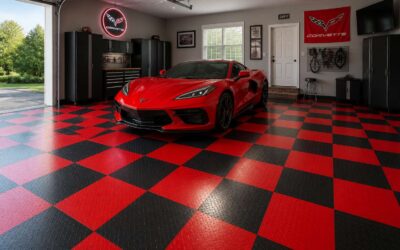
Interlocking Tiles and Modular Garage Flooring
Interlocking tiles offer something coatings cannot: reversibility. A West Rand homeowner can install them over a weekend and take them up just as quickly when the subfloor shifts or the drains back up. No grinding, no primer, no waiting for cure times!
The tiles themselves are typically polypropylene or PVC. They carry the weight of a bakkie without complaint. They shed water from a wet chassis without swelling or softening. For garage flooring west rand, modular systems solve the moisture problem differently. They raise the surface slightly, creating an air gap beneath. That gap lets vapour escape, a real benefit for older slabs with higher emissions.
What you give up with tiles:
- A perfectly seamless surface. Debris gathers in the joints.
- The glossy finish that coatings deliver.
- Certainty under concentrated jack loads.
That last point matters. A trolley jack’s small pad exerts enormous pressure, and some tile grids flex where a coating would not.
Stained and Polished Concrete Finishes
For West Rand homeowners who want a seamless, low maintenance surface, stained and polished concrete transforms the existing slab. The process grinds the concrete to a smooth density, then applies colour that seeps into the pores. Nothing sits on top. This means no peeling, ever. It also means the garage flooring west rand finish can handle the dampness rising through older slabs without the blistering that affects some coatings.
Polished concrete asks something in return. The slab must be free of major cracks and oil stains, because grinding reveals every flaw. The finish is also permanent. Once you polish, you cannot go back to bare concrete.
- Stained finishes offer rich, mottled colour variations.
- Polished finishes provide a mirror like sheen.
- Both require a stable, clean subfloor.
- Neither will flex under heavy jack loads.
If your West Rand slab has been patched, those repairs will show. A coating can hide them. Grinding cannot.
Rubber Flooring and Comfort Underfoot
Rubber flooring absorbs up to 90% of impact energy. That force reduction makes it a practical choice for garage flooring west rand. Unlike hard surfaces, rubber gives under pressure. This material offers comfort underfoot for anyone standing while working on a vehicle or hobby project. The floor feels warm, a benefit on cold Highveld mornings. Rubber also muffles sound. Dropped tools land with a dull thud, not a sharp crack. Spilled oil wipes up easily, and the surface stays slip resistant.
We have used rubber tiles in our own workshop. The difference in knee fatigue is noticeable!
Consider these options:
- Full sheets deliver a continuous surface.
- Edge locked tiles install without adhesive.
- Rolled matting covers large footprints quickly.
Rubber lacks the sheen of polished concrete, yet it beats every hard floor when you stand for hours. For garage flooring west rand, rubber prioritizes human comfort.
Preparing Your West Rand Garage Floor for Installation
Cleaning and Degreasing the Concrete Surface
A concrete surface in the West Rand rarely arrives pristine. Oil drips from maintenance vehicles, tyre marks linger near the parking line, and the dust of industrial winds settles into every pore. Local contractors estimate that poor cleaning causes most premature failures in garage flooring west rand. Skipping this step is the surest way to watch your investment peel within a season.
The ritual is straightforward once you accept its necessity. Begin with a stiff broom to clear loose particles. Then apply a commercial degreaser over the stained zones, working it in with a scrubbing brush until the suds turn brown. Allow it to dwell for ten minutes. Rinse with high pressure, and let the concrete breathe for a full day. Do not rush the drying.
- Sweep the entire slab
- Apply degreaser to oil spots
- Scrub with a stiff brush
- Rinse with clean water
- Dry completely before installation
That last step, the waiting, is where most homeowners falter. Moisture trapped beneath the surface will betray any coating later. The West Rand’s highveld climate can mask residual dampness, so check with a moisture meter or simply touch the concrete. If it feels cold, it is not ready. Only a dry, degreased slab will welcome the new layer and hold it fast for years.
Repairing Cracks, Spalls, and Uneven Areas
The concrete slab’s silence is deceptive. Beneath its grey surface, cracks whisper of shifting soil and thermal stress, spalls tell of impact and neglect. Any new coating laid over these flaws will inherit them, telegraphing the damage upward through the finish. For garage flooring west rand, the repair phase is where permanence is decided.
Start with a chisel and wire brush to remove loose material from each crack. Undercut the edges slightly so the patching compound gains a mechanical grip. For spalled areas, break away all weakened concrete until you reach a sound base. Then assess the slopes and hollows with a long straightedge. Low spots will collect water and compromise adhesion. A self-leveling screed or a troweled repair mortar can restore the plane.
The sequence of repair matters as much as the repair itself. Clean each defect, apply a bonding agent, then fill.
– Chip out loose concrete
– Clean dust and debris
– Apply a bonding primer
– Fill with patching compound
– Level with a straightedge
Allow each patch to cure completely before sanding the surface to a uniform profile. Uneven areas demand patience, as the filler will shrink. The final result should feel monolithic to the touch. A smooth, true surface transforms the floor into a proper substrate, ready for the coating system that follows. The investment in this preparation returns years of service from your garage flooring west rand.
Moisture Testing and Damp Proofing Solutions
Moisture is a quieter threat than cracks, and in the West Rand, it is often a persistent one. The water table here can be unpredictable, and a slab that looks dry may still draw dampness upward through capillary action. For garage flooring west rand, this hidden moisture is the enemy of any coating, leading to bubbling, peeling, and that telltale white staining called efflorescence. Testing the slab is the only way to know what you are working with.
The most reliable starting point is a simple plastic sheet test. Tape a one square meter piece of plastic film to the concrete floor, seal all the edges, and leave it for 24 hours. If condensation or dark patches appear underneath, you have a moisture problem. Another method is a calcium chloride test, which measures the rate of moisture vapor emission. Results above three pounds per 1,000 square feet over 24 hours should raise a warning flag.
When the Math is against you, action is required. Applying a damp proof membrane or a moisture barrier primer can seal the slab and prevent vapor from reaching the surface. For garage flooring west rand, these primers are especially useful after grinding or shot blasting, when the slab’s pores are more open. Equally important is checking the substrate’s pH level, which should sit between 9 and 10. A higher reading indicates alkalinity that can damage a new system. The process for managing moisture is straightforward:
– Test with a plastic sheet and a hygrometer
– Check the pH of the concrete surface
– Choose a moisture tolerant primer or membrane if readings are high
– Allow the primer to cure fully before any coating goes down
Taking these steps before installation will save you from the frustration of a failed floor. The dampness that seems harmless in a dark parking area will reveal itself within weeks of a new coat being applied. Addressing it now, with the right tools and products, gives your garage flooring west rand the stable foundation it deserves.
Acclimatising Materials to West Rand Temperatures
West Rand temperatures swing between summer highs and winter lows. These swings affect the concrete slab and the materials. Epoxy, polyurethane, and modular tiles respond to thermal changes. If you store products in a cold garage and install on a warm day, you invite adhesion failure.
Acclimatise your materials before installation. Bring all containers and components into the garage 24 to 48 hours ahead of time. This lets the products reach equilibrium with the ambient temperature. The same applies to the slab. A cold floor slows curing; a hot floor accelerates it. Both extremes compromise the final result!
For garage flooring west rand, installations timed around moderate weather perform better. Forecasts with mild, dry days reduce curing issues. This saves you from a floor that bubbles or lifts within months. A little patience with acclimatisation makes your garage flooring west rand project last far longer.
Estimating the Cost of Preparation and Materials
Most failed garage floors die long before the coating is poured. Preparation is where the real money goes, and skipping it is the most expensive mistake a homeowner can make with garage flooring west rand.
Diamond grinding and shot blasting remove laitance and open the concrete’s pores. These machines cost under R500 to rent for a day, but hiring a contractor adds R50 to R90 per square metre. Budget for this before browsing decorative finishes.
Basic cost factors include:
– Condition of the slab
– Square meterage
– Labour rates in your area
After grinding, primer and moisture barriers add another R30 to R60 per square metre. The final coating carries its own price tag. Get the prep estimate first, then work backwards from what remains in your budget.
Professional Installation vs DIY in the West Rand
Assessing Your Skill Level and Time Commitment
Most homeowners underestimate the precision required for garage flooring west rand. A DIY attempt often means wrestling with mixed batches and uneven trowel strokes. Assessing your skill level honestly prevents costly do-overs. Professional driveway and floor layers handle substrate deviations with practised ease, while beginners struggle with pinholes and roller marks.
Time commitment is equally decisive. A contractor completes a standard garage in two days. A DIYer with limited weekends might need three or four, factoring in curing stages between coats. For those considering the scope:
- Surface preparation consumes half the total hours
- Application and curing require uninterrupted scheduling
Choosing professional installation for garage flooring west rand secures warranties and avoids seasonal delays. DIY remains viable only if you have prior coating experience and can commit to the full timeline. Otherwise, the reality is steep.
Finding Reliable Local Installers and Vetting Quotes
Professional garage flooring west rand demands a contractor with precise technique. Finding reliable local installers starts with supplier referrals, not online ads. Neighbours who have lived with their floors for five years give honest assessments.
I have seen quotes that look perfect on paper yet fail within a year. Vetting quotes requires close inspection of each line. Compare costs for grinding, primer, and topcoat. A low bid often lacks moisture mitigation. Request the product data sheet and verify cure times for west rand temperatures. Confirm the installer has handled local concrete conditions.
- No written warranty
- Vague cure time
- Refusal to test concrete
Beware the quote that promises perfection. The honest installer admits substrate imperfections. That honesty outweighs a discount!
Warranty, Guarantees, and Aftercare Support
A flawless finish means nothing if the surface fails six months later. The true value of professional garage flooring west rand lies in the accountability that follows the installation. A DIY project leaves you with leftover materials and no one to call when bubbles appear. The professional relationship, however, begins after the last coat cures. That is the point where warranties, guarantees, and aftercare support separate a contractor from a mere painter with a trowel.
A written warranty is the contractor’s formal promise. It protects your capital against premature peeling, delamination, or discolouration caused by poor material selection. Most reputable installers offer a five year guarantee on labour. The material manufacturer provides a separate warranty for the product itself. You need both. A labour warranty without a product warranty means you are covered for installation errors only, not the integrity of the resin.
Aftercare support is the practical side of the agreement. West Rand summers are harsh on surfaces, and a simple chip can escalate into a large repair if left untreated. A professional will inspect the floor after the first year and address any issues found. This service is rarely advertised, yet it is the most valuable part of the contract. Ask your installer about their specific response time for callbacks. Ask how they handle warranty claims that stem from substrate movement rather than product failure.
Here is what a solid warranty package should include:
– A clause covering substrate failure, not just surface defects
– A defined time frame for repair visits, usually within two weeks
– A guarantee that the exact same batch number of material will be kept for touch ups
– A clause covering moisture vapour transmission failures
DIY installation saves money upfront but forfeits all recourse. The resin manufacturer will not honour a warranty claim on a floor you applied yourself. They will argue application error. The contractor, however, has an established relationship with the supplier and can negotiate a replacement batch. That relationship is worth the installation fee alone. When you invest in professional garage flooring west rand, you buy the contractor’s ongoing responsibility for the floor’s lifecycle. That ongoing responsibility is the true guarantee.
Maintaining Your Garage Floor in the West Rand
Daily and Weekly Cleaning Routines for Hard Wearing Floors
A quiet discipline governs the longevity of garage flooring west rand. Daily sweeping removes the abrasive grit that otherwise abrades the floor underfoot, while a damp microfiber mop catches the fine metallic dust that settles after a day of tinkering. Weekly attention goes deeper, addressing the stains and embedded grime that routine sweeping cannot reach.
For a hard wearing surface, the weekly ritual involves these steps:
- Apply a pH neutral cleaner diluted in warm water.
- Scrub with a soft bristle brush, working from the corners inward.
- Rinse thoroughly to avoid a soapy film that dulls the finish.
This sequence preserves the integrity of the coating, preventing premature wear and maintaining a professional appearance. In the West Rand climate, where temperatures fluctuate sharply, letting water pool on the surface can accelerate micro-cracking. Drying the floor with a squeegee after rinsing reduces that risk and keeps it ready for the next project.
Dealing with Oil Stains, Tyre Marks, and Chemical Spills
A garage flooring west rand surface has to survive spills, smears, and splatters without asking questions. Oil stains appear fast. If you hit one with water, you make the problem worse. Use a poultice of absorbent clay, leave it overnight. Tyre marks are another matter. Hot rubber bonds to the coating, and only a citrus degreaser plus a nylon brush will shift the residue. Chemical spills, including battery acid, require a neutralising agent before anything else. Water on acid is a chemistry experiment you do not want. Here is the simple sequence:
- Absorb the oil before it penetrates.
- Scrub tyre marks with a degreaser.
- Neutralise chemical spills first, then rinse.
A cold-water rinse keeps the coating safe in the high heat of a West Rand summer.
Seasonal Maintenance Tips for High Humidity Periods
When the Highveld humidity claws at the air between November and February, your garage flooring west rand surface demands a different kind of attention. Moisture vapor pushes up from the concrete subfloor, carrying mineral salts that bloom into a white, powdery efflorescence. You will notice it collecting near the expansion joints first, a dusty ghost that water alone cannot banish.
A simple weekly inspection reveals the story of the season. Run your palm across the surface and look for that faint slickness, which signals airborne moisture condensing on the cool floor. The key is to control air circulation rather than the temperature. Leaving the garage door slightly ajar during the cooler mornings allows the humid air to escape before it settles.
For those persistent moisture signatures, consider these steps:
- Wipe down the surface with a dry microfiber mop to break the condensation film
- Place silica gel pouches in the corners to absorb ambient dampness
- Check for pooling near the garage door seal after heavy downpours
The greatest threat comes from leaving wet vehicles inside. A car dripping from an afternoon thunderstorm transfers water directly onto the coating. Over time, this standing water accelerates wear on the top layer of your garage flooring west rand. Park outside for ten minutes after a storm and let the vehicle shed its water load before reversing into the garage.
Another quiet concern is the gradual softening of the coating in persistent humidity. Unlike the direct heat of January, this dampness works slowly, but it works relentlessly. A simple dehumidifier running for two hours a day during the wettest months keeps the surface hard and resilient. Also, sweep away any fallen leaves immediately in autumn; they trap moisture against the floor and leave tannin stains that are surprisingly difficult to lift. These small habits ensure the floor retains its structural integrity well beyond the rainy season.
Recognising When to Recoat or Resurface Your Flooring
A garage flooring west rand surface tells a story through its wear patterns. The glossy sheen you once admired eventually dulls near the tyre paths, and that is your first clue! A top coat wears gradually, but once you see the aggregate texture reappearing, the protective layer has thinned beyond repair.
Recoating works when the film remains intact. Resurfacing becomes necessary when the substrate itself shows distress. Consider the evidence:
- Cracks that widen over time and expose the concrete beneath
- Areas where the coating lifts in flakes, signalling adhesion failure
- A chalky residue when you run a finger across the surface
Do not confuse surface dirt with structural fatigue. The distinction matters because recoat preparation costs far less than a full resurfacing. Yet postponing the decision compounds the damage. A garage flooring west rand option that reaches the delamination stage demands complete removal, an expense no homeowner welcomes. Inspect annually and act when the signs appear.


0 Comments